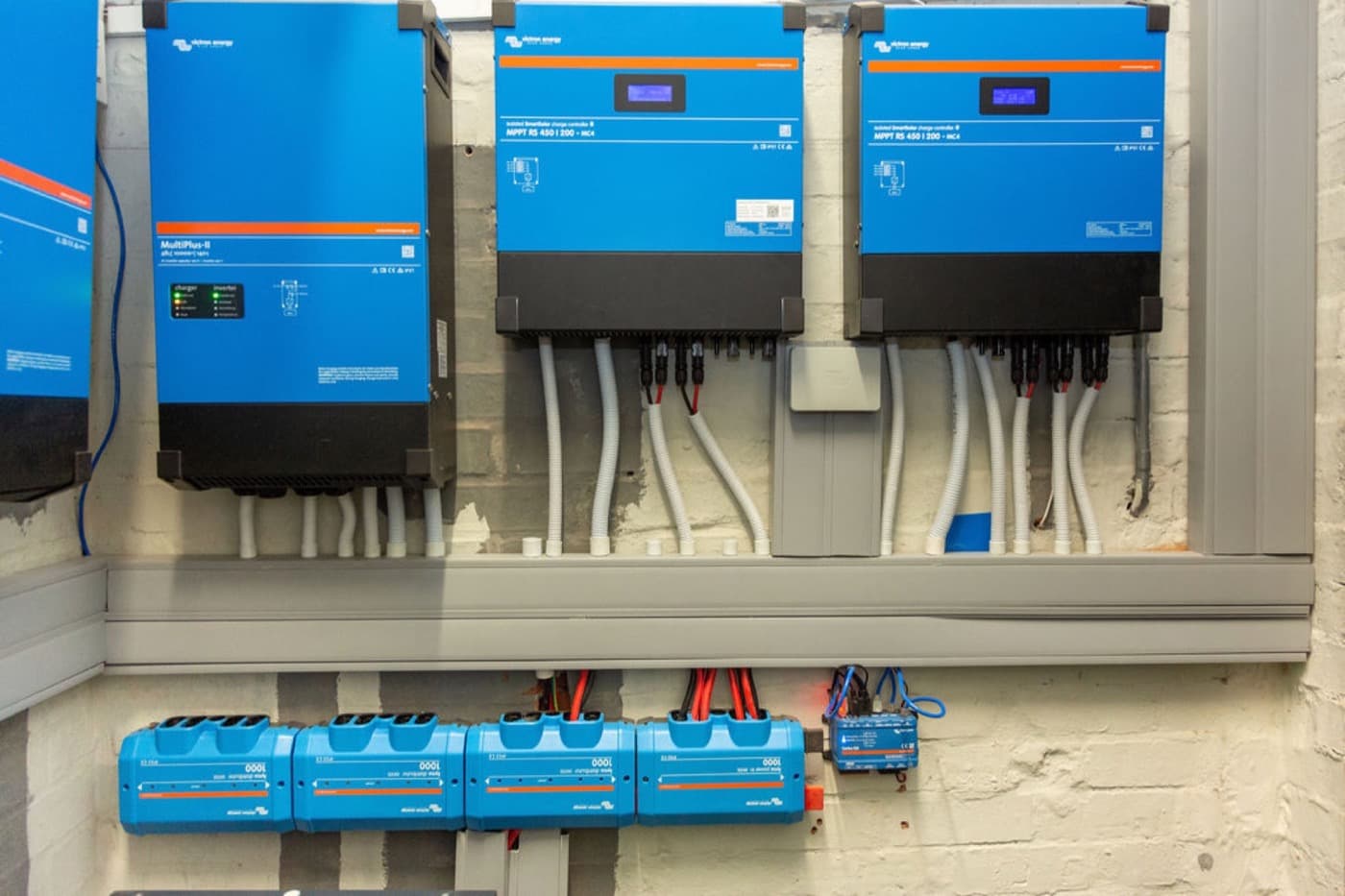
System size starts with the loads you need to run, how long they must run and how much energy the property uses through a normal day.
Start with what must stay on
A useful backup system is designed around a clear list of loads. Lights, Wi-Fi, security, refrigeration and selected plugs are common essentials. Geysers, ovens, pool pumps, air-conditioning and large motors use much more power and can quickly change the inverter and battery requirement.
Separate what must run during an outage from what would be convenient. That decision keeps the first design realistic. A smaller system serving well-chosen circuits often performs better than an oversized promise that ignores how the property is wired.
Daily electricity use tells only part of the story
The monthly bill helps estimate overall energy use, but it does not show when the power is used. Two homes can buy the same number of units while having very different load patterns. One may use most energy during the day, while another has a large evening peak.
Interval data from a meter or monitoring device is more useful where available. Otherwise, appliance ratings and household routines provide a working estimate. The design must consider both energy, measured in kilowatt-hours, and peak power, measured in kilowatts.
Inverter size is about simultaneous power
The inverter must carry the loads that run at the same time and handle the starting demand of equipment such as pumps and fridges. Adding appliance ratings together without considering use can oversize the system, while ignoring startup demand can produce trips when a motor starts.
The DB layout matters because essential circuits need to be separated from loads that will stay on the normal supply. On some properties this is a clean change. On others, mixed circuits or older wiring need remedial work before the backup board can be arranged properly.
Battery size determines useful running time
A battery stores energy, so its capacity affects how long the selected loads can run. A 5 kWh battery does not provide five hours by itself. Runtime depends on the actual load, the usable portion of the battery, system losses and the reserve kept to protect battery life.
As a simple planning example, a steady 500 W essential load uses about 0.5 kWh each hour. Real homes are less predictable because fridges cycle, lights switch and appliances are added. A site assessment uses sensible allowances instead of promising a fixed runtime that daily behaviour may not support.
Solar panels refill the system and offset daytime use
Panel capacity should be considered with roof direction, shade, available area and the energy target. More panels can improve charging and daytime bill offset, but only when the inverter, batteries and connection rules can use that production correctly.
Cape Town has good solar potential, but winter production, weather and shading still matter. A design based only on a perfect summer day will disappoint. GJS checks the roof and cable route, then plans the array around realistic production and safe access.
Budget ranges need context
A smaller essential-load backup can start around R50,000 depending on the equipment and electrical work. A broader solar and battery system may sit around R160,000, while larger or near off-grid systems can move beyond R200,000. These are planning ranges, not quotations.
DB upgrades, roof structure, cable distances, permits, monitoring and compliance all affect the installed price. Savings also depend on consumption and how much solar energy is used on site. GJS confirms the loads, supply, roof space and installation condition before recommending equipment or quoting.
What to prepare for a site assessment
Bring a recent electricity bill, a list of essential appliances and any plans for future equipment such as an EV charger or additional geyser. Photos of the DB, meter and roof are useful for an initial conversation, but they do not replace testing and measurement on site.
The result should be a system that the property can use properly, with clear limits and room for sensible expansion. GJS handles the DB design, inverter and battery installation, panels, compliance and commissioning as one coordinated electrical scope.
After commissioning, monitoring helps the owner see which loads drain the battery and when solar production is being used. Small changes to geyser times, pool-pump schedules and daytime appliance use can improve how the installed system performs without adding more equipment. System settings should still stay within the manufacturer and installer limits.